Design AI Tools
April 13, 2026The End of Static UI: Generative Design & Real-Time UX in 2026
Explore the end of static UI and the rise of generative design in 2026. Learn about real-time UX, AI design collaborators, and vibe coding workflows.
1 min read
Updated: April 13, 2026
1. Introduction: From "Layouts" to "Experiences"
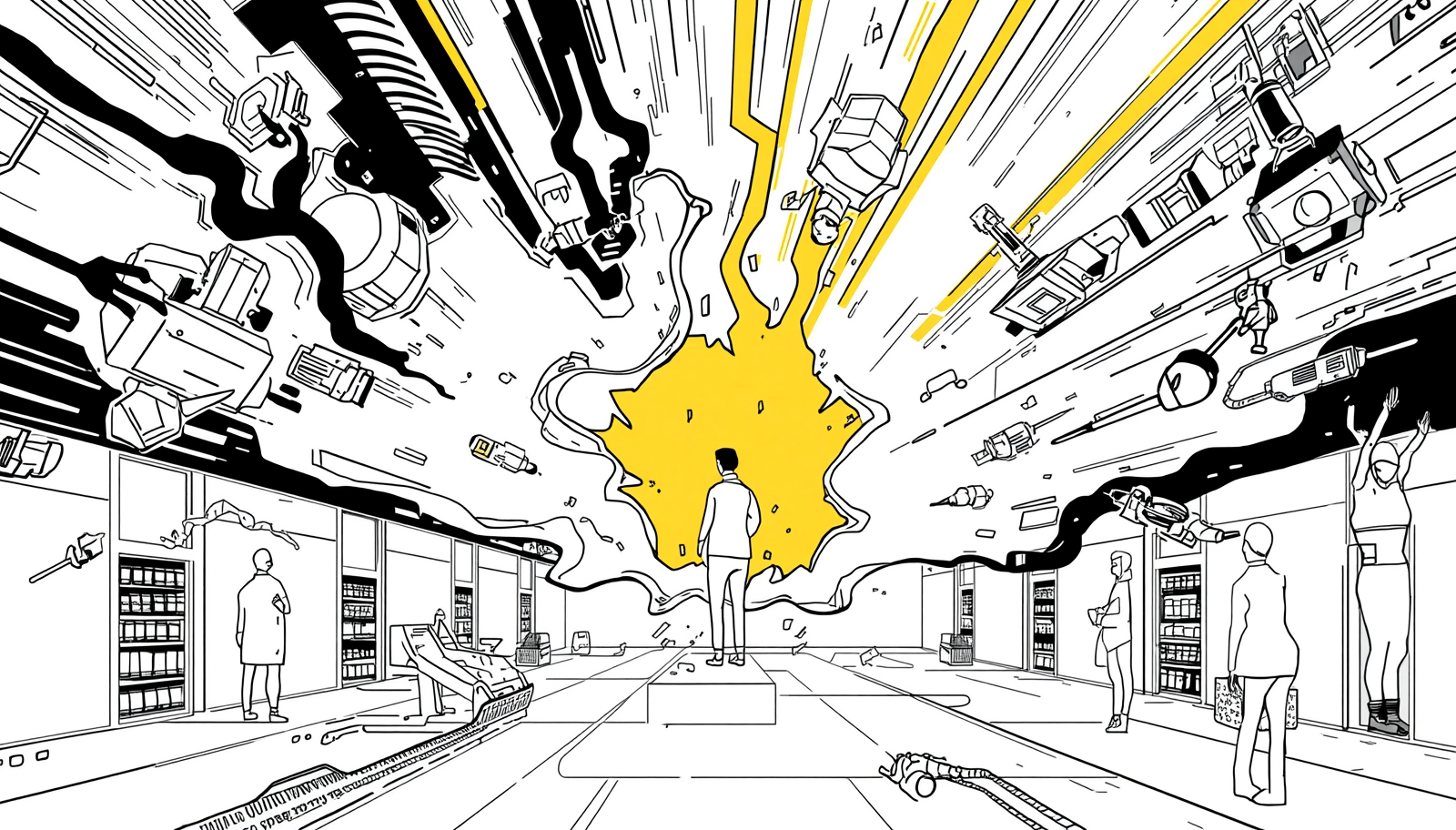
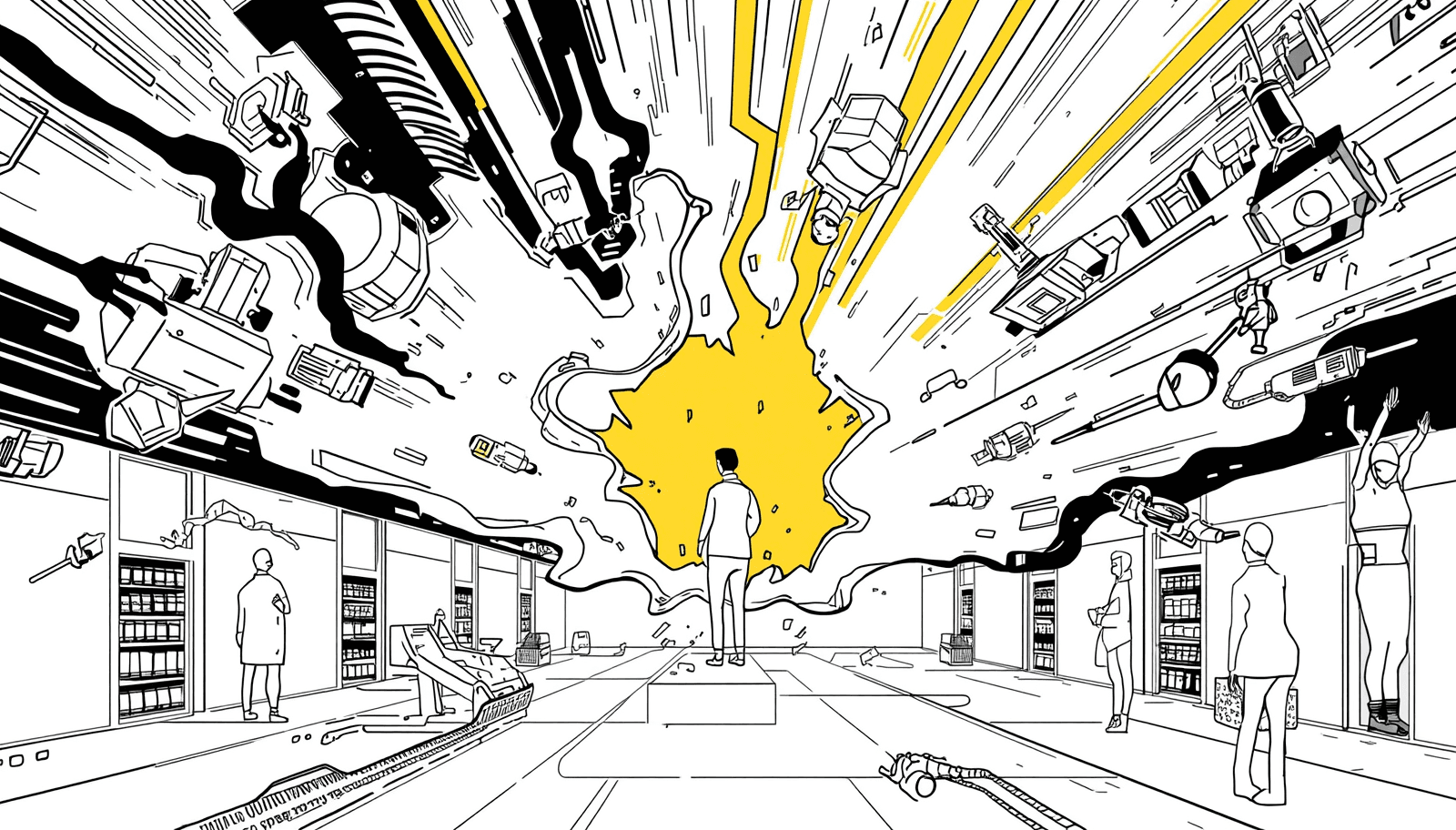
In 2024, designers built "Layouts" - static grids that looked the same for every user. In 2026, we build "Generative Experiences." Modern interfaces are dynamic, rearranging themselves in real-time based on the user's intent, device, and behavioral history.
This guide explores the tools that have turned "Web Design" into "Experience Engineering."
2. The Rise of the "AI Design Collaborator"
The most significant trend of 2026 is the shift from AI as a "tool" to AI as a "Teammate."
- Figma AI / Make: Now capable of generating entire, production-ready design systems from a single brand prompt. It respects your design tokens, spacing rules, and typography automatically.
- Predictive Heatmaps: Tools like Attention Insight use AI trained on millions of eye-tracking fixations to predict where users will look before you even publish the page.
3. The "Vibe Coding" Workflow for Designers
A new role has emerged in 2026: the Design Engineer.
- Code-to-Design Bridge: Using tools like v0.dev and Lovable, designers are now "shipping" functional React components directly from their design prompts, bypassing the traditional "handoff" friction entirely.
#generative design
#real-time UX
#AI UI tools
#experience engineering
#AI design collaborator
#vibe coding