Claude Design: Everything you need to know
Claude Design marks a decisive shift in how digital products are created. Instead of navigating complex design tools, users can now translate intent directly into output through natural language. This collapses the traditional gap between idea and execution, enabling faster iteration, consistent branding, and significantly lower barriers to entry. More importantly, it reframes design from a specialized skill into a scalable capability, one that can be embedded into any workflow.
On this page+
- Introduction: Anthropic’s Strategic Move Into Design
- What Is Claude Design?
- How It Works: Prompt → Iteration → Output
- Under the Hood: Powered by Claude Opus 4.7
- Key Features That Actually Matter
- 1. Natural Language to Visual Output
- 2. Iterative Design via Conversation
- 3. Automatic Brand Learning
- 4. Built-In Accessibility for Non-Designers
- Availability and Access
- Strategic Positioning: Not a Tool, a Workflow Replacement
- Market Impact: Early Signals of Disruption
- What Claude Design Gets Right
- Strengths:
- Weaknesses (for now):
- The Bigger Picture: The End of Traditional Creative Pipelines
- Final Take
Introduction: Anthropic’s Strategic Move Into Design
Anthropic is no longer just competing in chatbots and coding assistants, it is now aggressively expanding into creative tooling. With the launch of Claude Design, the company is making a calculated bet: design is the next major surface area for AI disruption.
Claude Design isn’t a minor feature. It’s a signal. The company is positioning its flagship model, Claude, as an end-to-end creative engine not just a thinking partner.
What Is Claude Design?
Claude Design is a new product from Anthropic Labs that enables users to create polished visual assets through natural language collaboration with AI.
At a functional level, it allows you to generate:
- Prototypes
- Presentations
- One-pagers
- Marketing materials
- UI concepts
all from a prompt.
This is not incremental UX improvement. It’s a paradigm shift: from design tools to design outcomes.
How It Works: Prompt → Iteration → Output
The operating model is deceptively simple:
- Describe what you want
- Claude generates a first draft
- You refine it conversationally
Anthropic explicitly frames this as a collaborative workflow:
You describe → Claude builds → you iterate through conversation, edits, or controls
This removes the traditional dependency on tools like Figma or Adobe interfaces. The interface becomes language.
Under the Hood: Powered by Claude Opus 4.7
Claude Design is built on Claude Opus 4.7, Anthropic’s most capable vision-enabled model.
That matters for two reasons:
- It can interpret visual intent, not just text
- It can generate structured, design-ready outputs, not just ideas
In plain terms: this is not a text model pretending to design, it’s a multimodal system engineered for it.
Key Features That Actually Matter
1. Natural Language to Visual Output
You don’t manipulate layers, grids, or typography manually. You express intent, and Claude executes.
This collapses the skill barrier dramatically.
2. Iterative Design via Conversation
Instead of editing pixels, you refine through dialogue:
- “Make it more minimal”
- “Use warmer colors”
- “Add a dark mode”
This is a shift from manual control → semantic control.
3. Automatic Brand Learning
One of the most strategically important features:
Claude can learn and apply your brand identity automatically without manual configuration.
This has serious implications:
- Consistent design at scale
- Reduced need for brand guidelines enforcement
- Faster content pipelines
4. Built-In Accessibility for Non-Designers
Claude Design is explicitly targeted at:
- Founders
- Product managers
- Marketers
- Non-designers
It lowers the barrier to entry for high-quality design output.
it is really not about empowering designers, it’s about bypassing them when necessary.
Availability and Access
Claude Design is currently:
- In research preview
- Available to Pro, Max, Team, and Enterprise users
- Included at no additional cost
This pricing strategy is deliberate: Anthropic is bundling design into its core AI offering, undercutting standalone design tools.
Strategic Positioning: Not a Tool, a Workflow Replacement
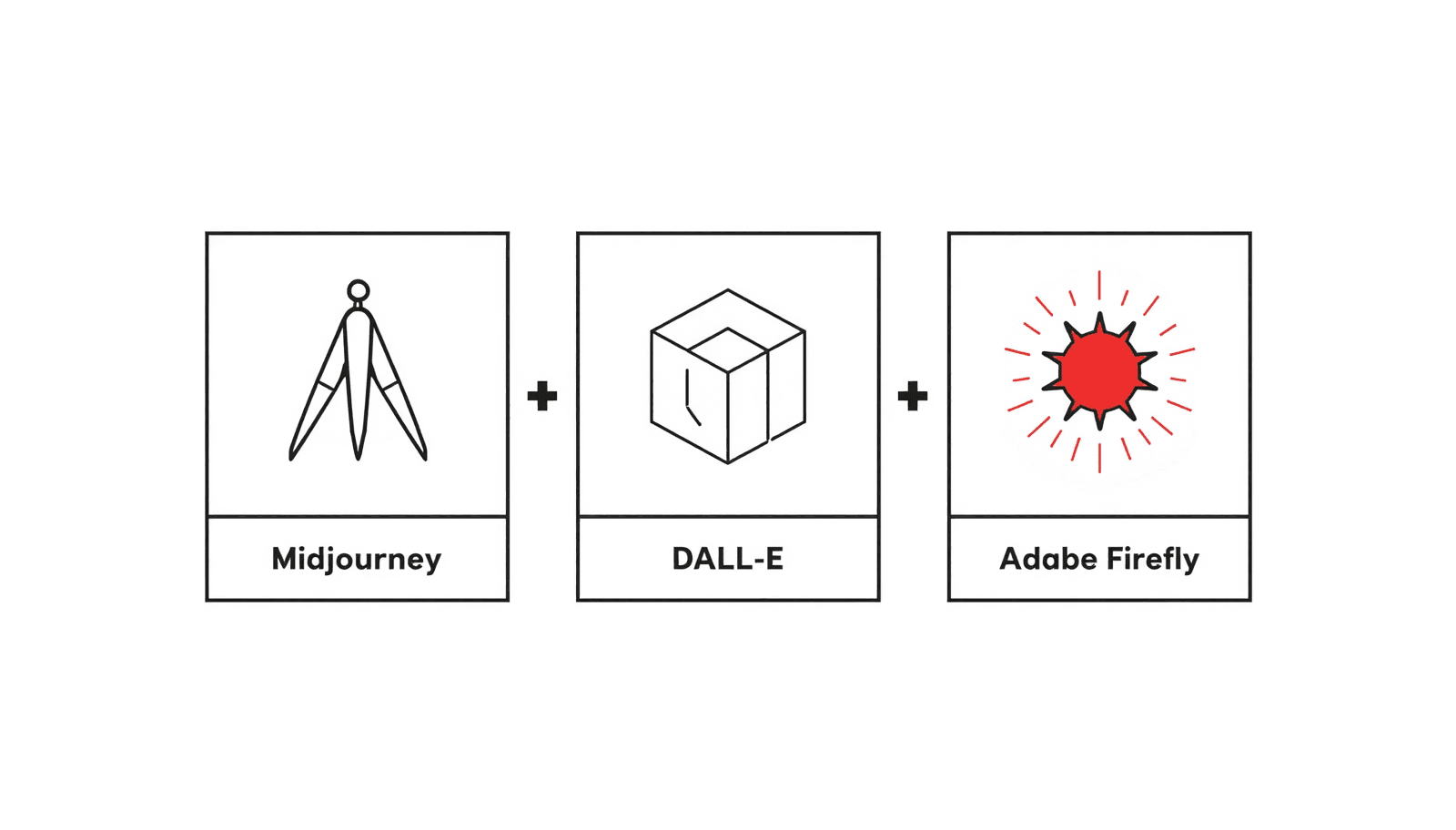
Anthropic claims Claude Design is not meant to replace tools like Canva or Figma but that’s corporate diplomacy.
The reality is more aggressive:
- It replaces the starting point of design work
- It reduces the need for manual tooling expertise
- It compresses idea → artifact latency to near zero
This is where incumbents should be worried.
Market Impact: Early Signals of Disruption
Early reactions suggest real disruption:
- The product enables prompt-to-design workflows at scale
- It has already triggered market anxiety among design incumbents
- Its integration into existing subscriptions removes pricing friction
What Claude Design Gets Right
Let’s cut through the hype.
Strengths:
- Radically lowers design barrier
- Integrates seamlessly into existing AI workflows
- Enables rapid prototyping without tools
- Strong enterprise appeal (branding, scale, consistency)
Weaknesses (for now):
- Still in research preview (expect instability)
- Likely lacks deep precision control for expert designers
- Output quality will depend heavily on prompt quality
The Bigger Picture: The End of Traditional Creative Pipelines
Claude Design reflects a broader shift:
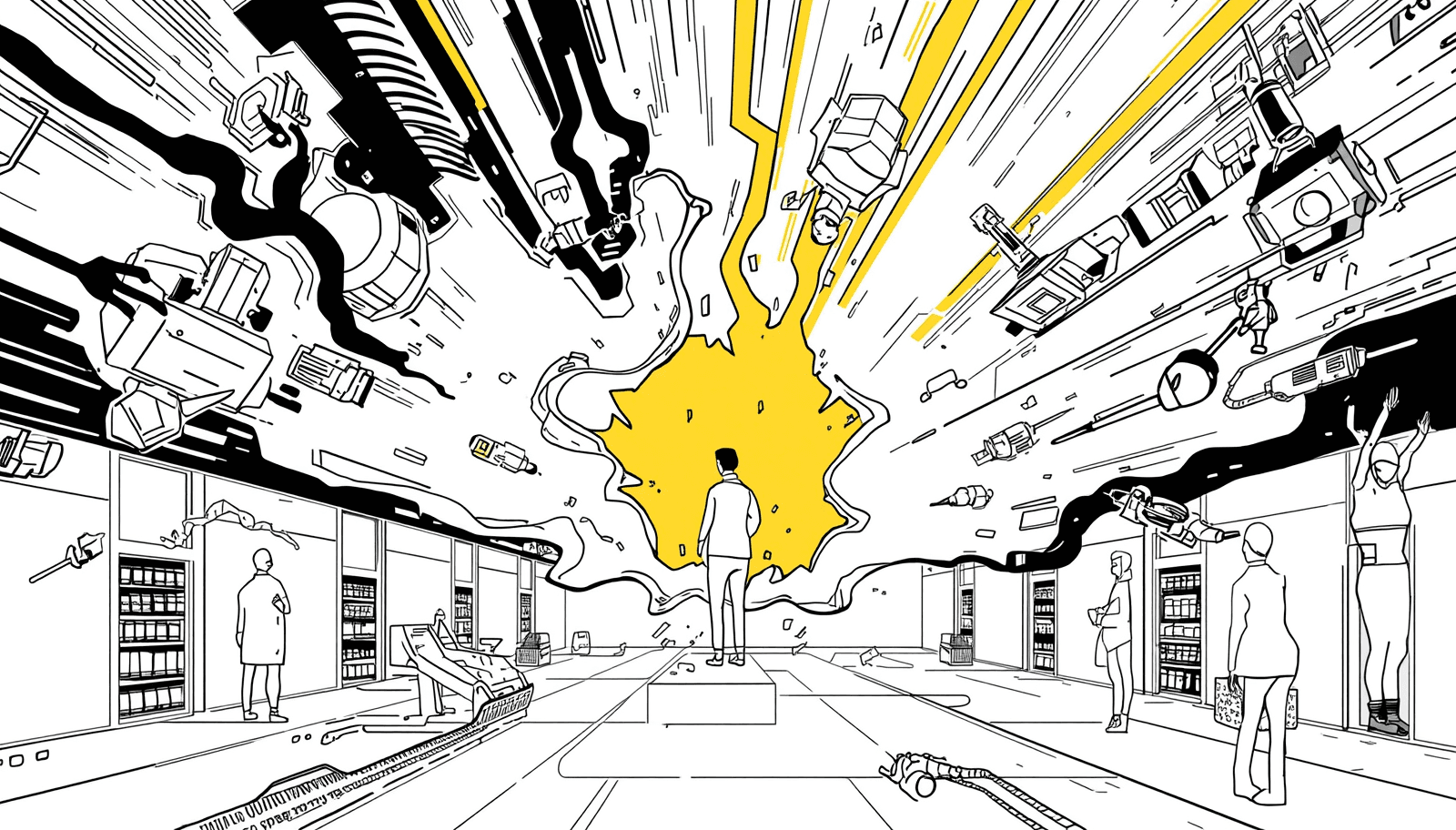
AI is moving from assisting workflows → replacing them.
Historically:
- Tools required skill
- Skill produced output
Now:
- Intent produces output
- Skill becomes optional
This represents a structural change
Final Take
Claude Design is not “another AI feature.” It’s a strategic land grab in the creative stack.
Anthropic is betting that:
- Language becomes the primary interface
- Design becomes a generated artifact
- Creativity becomes partially commoditized
That bet is rational and dangerous for incumbents.
If you’re building in tech, media, or design, the implication is clear:
The bottleneck is no longer execution. It’s taste and direction.