The State of Generative AI in Enterprise: 2026 Trends and Implementation Strategies
Comprehensive analysis of generative AI in enterprise for 2026. Explore adoption statistics, industry-specific use cases, security compliance standards, and future outlook for corporate AI.

1. Introduction: The Era of Verticalization
The "General Purpose" AI era is over. In 2026, enterprises have realized that a model trained on the entire internet is less valuable than a smaller, more efficient model trained specifically on their industry. We are seeing the rise of Verticalized AI - LLMs specifically tuned for Finance, Healthcare, and Manufacturing.
##2. 2026 Enterprise AI Adoption Statistics
- 72% of Fortune 500 companies have deployed at least three autonomous agents in production.
- Budget Allocation: AI spending now accounts for 18% of the total IT budget, up from 4% in 2023.
- The "Local" Shift: 40% of enterprise workloads have migrated from public APIs to Self-Hosted Local Models to ensure data sovereignty.
##3. Industry-Specific Use Cases
A. Manufacturing & Supply Chain
- Trend: Predictive Logistics Agents.
- Application: AI that doesn't just "predict" a shipping delay but autonomously re-orders parts from an alternative supplier and updates the production schedule.
B. Banking & Finance
- Trend: Real-time Compliance Agents.
- Application: Agents that listen to every customer call and cross-reference them with SEC/FINRA regulations in real-time, flagging potential violations instantly.
C. Healthcare
- Trend: Clinical Documentation Agents.
- Application: Ambient listening tools that transcribe patient visits, update EHR records, and suggest ICD-10 codes with 99% accuracy.
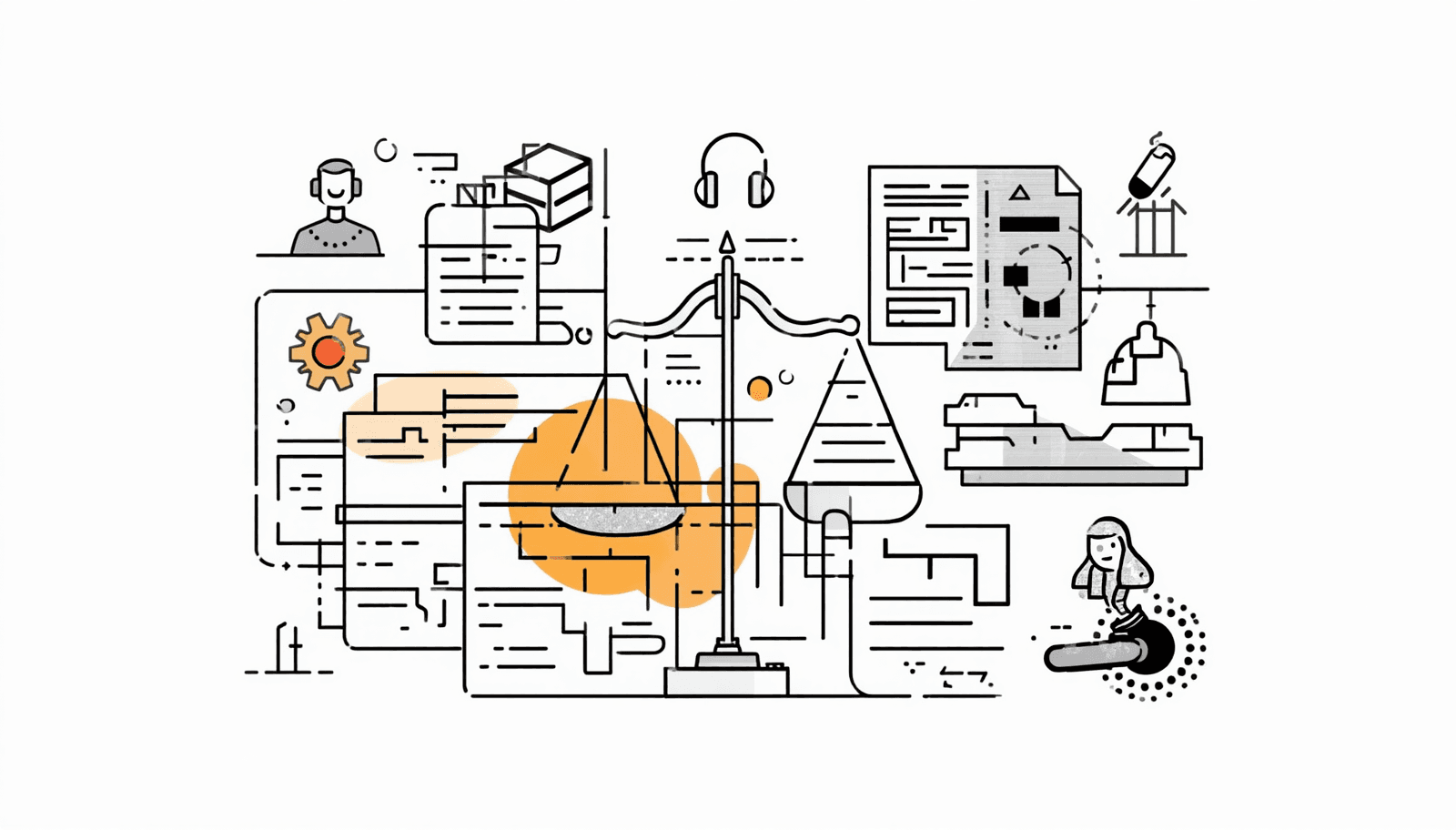
##4. Security and Compliance: The New Standard In 2026, the "Wild West" of AI is gone. Compliance is now automated.
- EU AI Act Compliance: Autonomous systems that generate their own "Explainability Reports" for every decision they make.
- Zero-Trust AI: A security model where every AI agent must re-verify its identity and permissions for every single database query it executes.
##5. Future Outlook: The "Invisible" AI By the end of 2026, we will stop talking about "AI Tools." AI will become an invisible layer of the enterprise stack, much like the cloud or SQL databases before it. The goal is no longer to "use AI," but to build an Intelligent Infrastructure where software thinks for itself.